
Custom tank design: tips for customers
Choosing a water tank that perfectly suits your needs requires understanding important design elements. Here are some tips on what to look for when designing such a tank
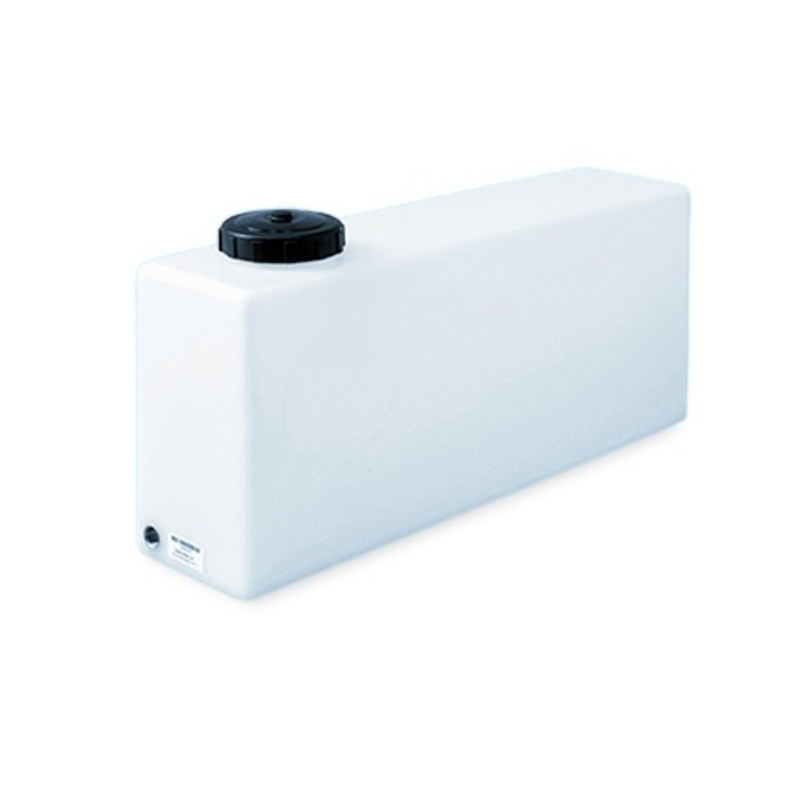
Size and capacity
Start by determining the tank capacity needed, taking into account the amount of water you plan to store. Also define the space available for the tank to match its dimensions to your specific installation site.
Examples of capacity:
- Tanks for a recreational plot: A tank with a capacity of 1,000-2,000 liters will be perfect for irrigating plants or collecting rainwater.
- Industrial use: For industrial needs, tanks with larger capacity, such as 5000-10000 liters, can be used to store chemicals or process water.
Material and wall thickness
When designing a sized tank, the choice of material, such as polyethylene (PE) or polypropylene (PP), is critical to the durability and resilience of the tank. Think about the thickness of the tank's walls to ensure adequate strength with minimal weight.
Polyethylene (PE) and polypropylene (PP) are two popular materials used in the manufacture of water tanks, but they differ in many ways:
Polyethylene (PE):
- Flexibility: PE has a high degree of flexibility, which means it can be easily molded into different shapes. This is advantageous when the tank needs to be bent to fit certain conditions.
- Impact resistance: It is more impact resistant than polypropylene, making it a better choice for applications where the tank may be exposed to mechanical shocks.
- Chemical resistance: Polyethylene is generally more resistant to chemicals than polypropylene, which is important for storing various substances.
Polypropylene (PP):
- Higher melting point: Polypropylene has a higher melting point than polyethylene, which means it is more resistant to high temperatures. This is important when storing warm or hot substances.
- Better UV resistance: PP is more UV-resistant than PE, making it more suitable for outdoor applications or conditions where there is high exposure to sunlight.
- Resistance to chemicals: While PE is generally more resistant to chemicals, PP may be more resistant to certain types of chemicals, depending on specific conditions.
Material selection:
- End use: The choice between PE and PP often depends on the specific application and conditions under which the tank will be used.
- Environmental conditions: If the tank will be exposed to strong UV or high temperatures, PP may be a better choice. For applications requiring high flexibility and impact resistance, PE may be better.
- Chemical resistance: If the tank will store specific chemicals, it is necessary to consider their chemical properties when choosing between these materials.
The choice between polyethylene (PE) and polypropylene (PP) when designing a water tank depends mainly on the specific application needs, operating conditions and chemical properties of the substances stored.
Durability and resistance
The tank should be resistant to shock, UV radiation and chemicals if it will store chemicals. Make sure the material and design provide the expected resistance to operating conditions.
Accessibility and functionality
Consider whether the tank will have a lid, what sizes and types of outlet holes are needed, and whether there is a need for additional features such as threaded sockets or fasteners.
Color and aesthetics
If aesthetics are important, choose a tank that can be customized in terms of color according to the RAL palette. The ability to choose a color can be crucial if the tank will be placed in a prominent location.
Special applications
If the tank will be used to store food or food liquids, additional hygienic criteria may be necessary. Make sure the design takes these special requirements into account.
Customizations
If you need a modified tank, consider customizing an existing model. This can be more economical than creating a tank from scratch, allowing for fewer changes with minimal cost impact.
Customizations:
- Changing wall thickness:
- For specific applications, the ability to adjust wall thickness can be crucial. Increased thickness can provide greater strength when storing substances under high pressure.
- Modifications in shape and dimensions:
- Customized modifications to the shape or dimensions of a tank may be needed to fit a specific installation space or to perform specific functions, such as customized outlet openings for specific pipes or equipment.
- Material and additional components:
- The ability to change the material (e.g., to a more hygienic material) or add special features, such as heavy-duty lids or additional openings, may be important to customize the tank for specific applications.
Consult with a professional
It's always a good idea to consult with an expert in water tank manufacturing about your project. A professional can offer valuable advice on optimizing the design for performance, durability and efficiency. So don't wait if you have any questions and contact us, the water tank specialists!